
Stay connected with your singing this August

If you're an adult classical singer looking for a way to stay connected with your singing over the summer, my August Intermezzo may be just the thing. It isn't an online course and there isn't a programme to work through. Instead, it's an invitation to spend August in the company of other curious singers, exploring vocal technique, musicianship and the simple pleasure of singing, wherever you happen to be.
When the summer term comes to an end, I know many singers enjoy having a little more space in their diary. But that doesn't mean our interest in singing disappears. Quite the opposite. Without the usual routine of lessons and workshops, there's often a little more time to listen, to reflect and to notice things that become lost in the busyness of term-time.
That's really what my August Intermezzo is about.
Each week during August I'll be sharing a different theme, built around one carefully chosen video from my teaching archive. Alongside it you'll find one of my weekly postcards....
Beyond choir singing: exploring solo repertoire
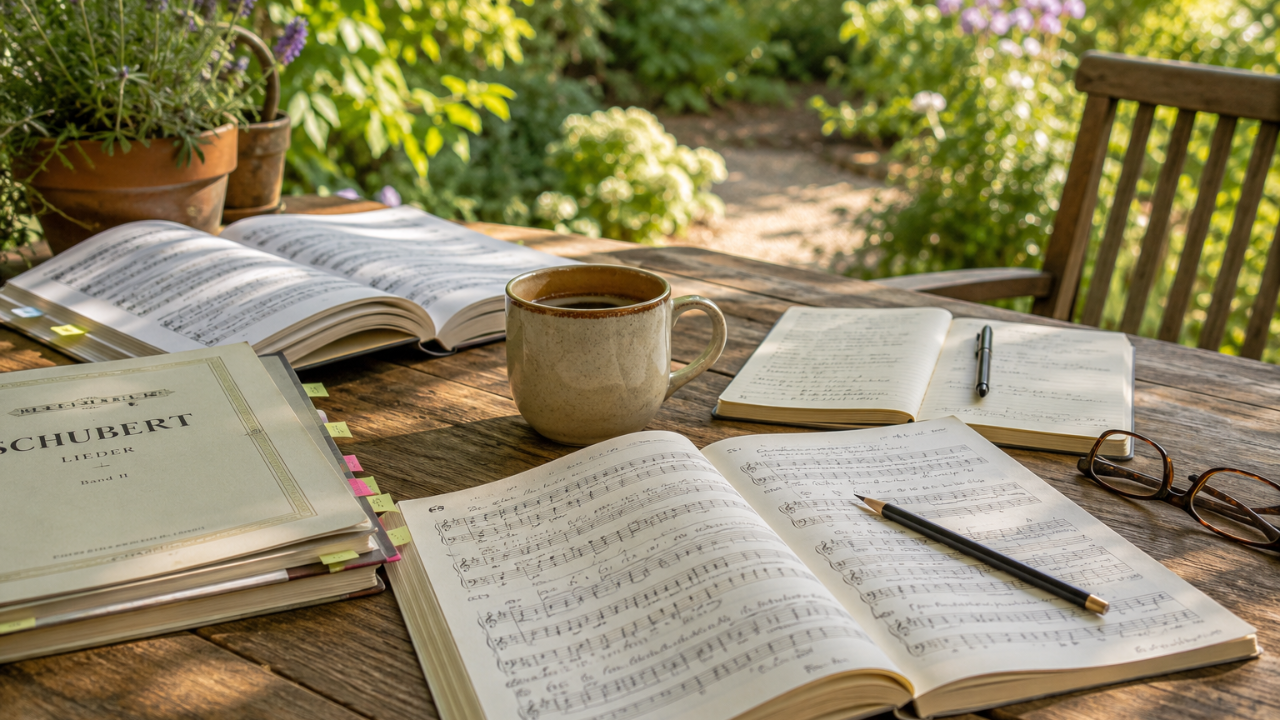
Singing in a choir introduces thousands of people to wonderful music and provides friendship, structure and the pleasure of making music together. Many singers spend a lifetime enjoying exactly that. There is something deeply satisfying about being part of a larger sound, contributing your own voice to something that no one person could create alone.
But what if you find yourself wanting a little more?
Not more commitment. Not necessarily more performing. Just a deeper involvement, a discovery from within the music itself - and the workings of and connection with your own voice.
I think this is one of the reasons singing workshops, summer schools, and study weekends continue to hold such appeal. They create opportunities to step a little closer to the repertoire we love. To spend time with music in a different way. To listen. To observe. To have a go.
I have sat in enough workshop rooms to know that some of the most memorable moments happen when a singer decides to take that step. ...
Solo singing and shared experience

Many aspiring adult classical solo singers spend a lot of time working on their voice and practising alone. Practice happens at home, repertoire is learned in isolation, and vocal technique is something pieced together over time, often without fully understanding how it all fits together.
That is a completely natural way to begin.
But it does raise a question, sooner or later, and it is one I recognise very well from my own singing and from working with singers over many years: how do you know if what you are doing is actually helping?
The answer rarely comes from doing more of the same on your own. It comes from experience, and more specifically, from shared experience.
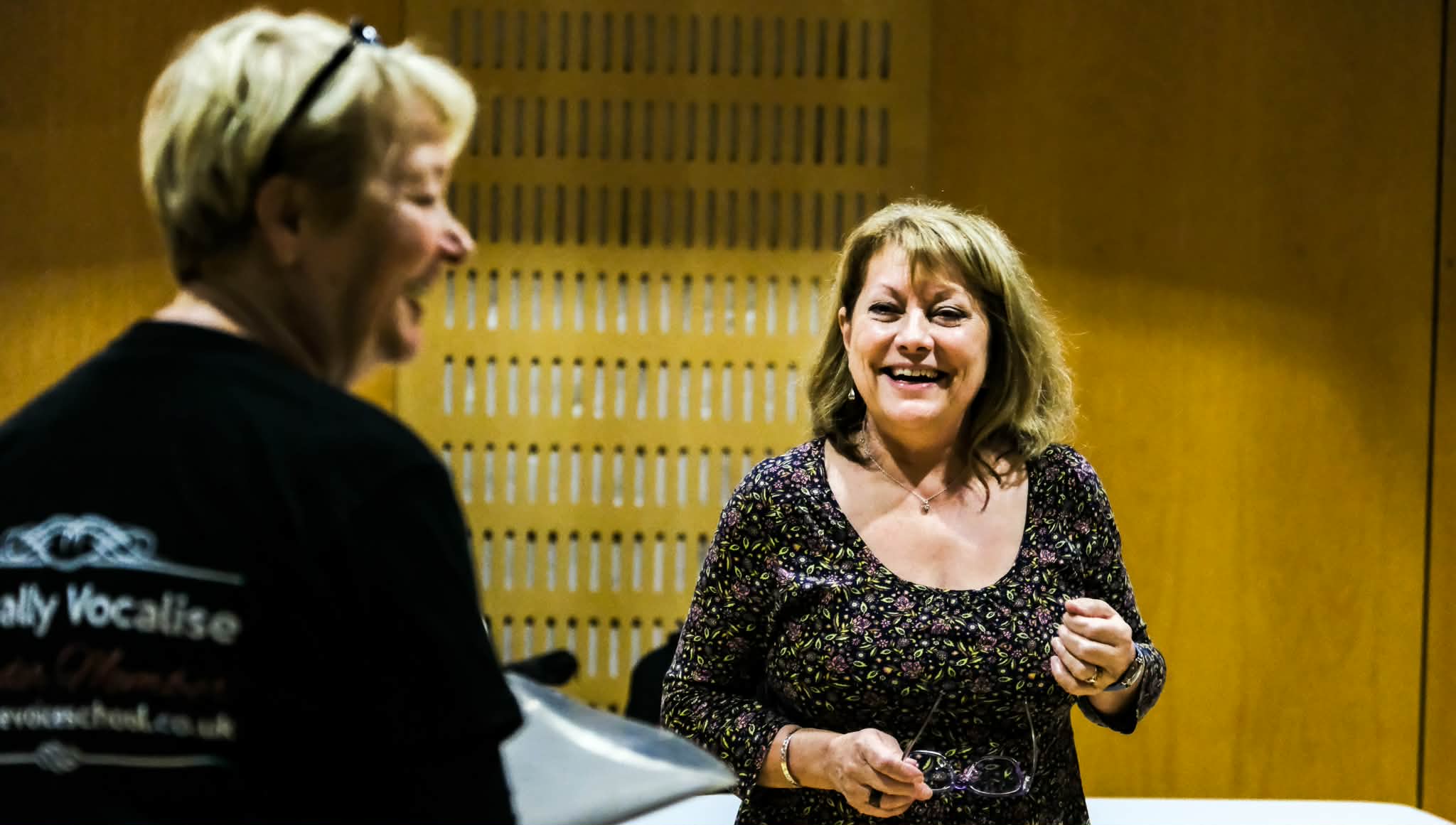
I see this every time singers come together, whether over a full weekend workshop or in a smaller setting, or even online. Progress shifts, not because anything dramatic has been added, but because the context has changed. As a solo singer, you are no longer relying only on your own internal navigation system.
Y...
Why your singing voice feels inconsistent.

Why does your singing voice feel inconsistent from one day to the next, and why does it sometimes seem as though nothing is improving?
This is one of the most common questions singers ask, and it often leads to the assumption that something is missing or that a breakthrough is just out of reach. That with the right exercise, the right explanation, or the right moment of understanding, things will finally begin to work properly.
The honest answer is that singing rarely develops like that. It is not built on sudden beginnings or decisive turning points, but on patterns of use over time. What makes the difference is not a single moment of insight, but how regularly the voice is brought into action and how consistently the fundamentals are revisited. It is less a matter of beginning, and more a matter of stepping through into a different kind of experience, where the work is already underway and simply needs to be continued.
The voice responds to use, not intention
The voice is a physi...
How to keep your singing voice strong over time

Many adult singers ask some version of this question: How do I keep my singing voice strong as the years go by? Is it simply a matter of age, or is there something more within our control?
The honest answer is that strength in the voice is rarely about age alone. It is far more often about how the voice has been used, how regularly it has been exercised, and whether the fundamentals have been properly understood.
I have been singing and studying seriously for decades, and I am still preparing and presenting repertoire myself. I still think carefully about vocal load. I still look at range, tessitura, stamina, and recovery time before committing to a programme. Not because I am fragile, but because I understand that the voice responds to patterns. It responds to repetition. It responds to intelligent use.
The same is true at forty as it is at seventy.
The voice responds to use, not to wishful thinking
Like any coordinated muscular system, the voice strengthens through regular, th...
Your singing: planning the year ahead.

For many singers, January and February are not a time of instant momentum.
After Christmas, routines have shifted, energy feels steadier rather than expansive, and singing can feel slightly unfamiliar. This is normal. The voice hasn’t gone anywhere, but it may need time to re-settle after weeks of different rhythms, sleep patterns, and demands. Expecting to feel immediately “back” often creates unnecessary pressure, particularly in mid-winter.
One of the most common difficulties at this point in the year is the temptation to rush. Singers can feel they ought to be back where they were in the autumn, as though continuity were something that could be switched on again at will. In reality, returning to singing works far better when it is approached as a process of re-orientation rather than recovery; listening first, noticing what is present now, and allowing habits to re-form without strain.
This early part of the year often lends itself to preparation. That may mean choosing repertoi...
Mozart: exacting, rewarding, and full of wit.

Why Mozart’s music demands your attention
In Mozart’s Vienna, wit meant more than humour. It was a sign of mental agility, the ability to turn an idea with elegance, to surprise with precision, to reveal something human through restraint. Mozart carried that quality everywhere: in the sparkle of his comic operas, in the stillness of his sacred music, and in the subtle craftsmanship of every phrase. He was playful, yes, but never without purpose — and that spirit is at the heart of Sing Joyfully 2025 in Chandler’s Ford, Hampshire, UK.

The joy and challenge of singing Mozart
That playfulness can mask just how exacting his writing is. In Prenderò quel brunettino, the duet for Fiordiligi and Dorabella in Così fan tutte, the singers must match tone, timing, articulation, and breath as if they were one voice, while also staying true to their characters, who are complete opposites. Fiordiligi is upright, idealistic and careful; Dorabella is impulsive, easily swayed, and mischievous. In p...
Back to Winsham Because They Asked
We’re heading back to Winsham in Somerset this September — not simply because it’s a beautiful village with the marvellous acoustics of The Jubilee Hall, but because, quite frankly, they asked. After Love Your Voice in March, several locals and friends of The Voice School quietly inquired, “When will you be back?” It’s always a lovely sign when the question arrives before the invitation is extended.
So here we are, returning on the weekend of Saturday 13th and Sunday 14th September, offering two distinct and artistically valuable experiences for classical singers who are ready to return to their voice with intention. These two days are independent of one another — you may attend either or both — but together they form a meaningful beginning to the new academic year ahead.
Two Days, Two Invitations
Each day holds its own energy and purpose.
On Saturday, 13th September, we begin with The Vocal Refresh. This is a quietly focused day for a small group of classical singers to work in de...
Songs That Fit: A Repertoire Guide for the Thoughtful Singer
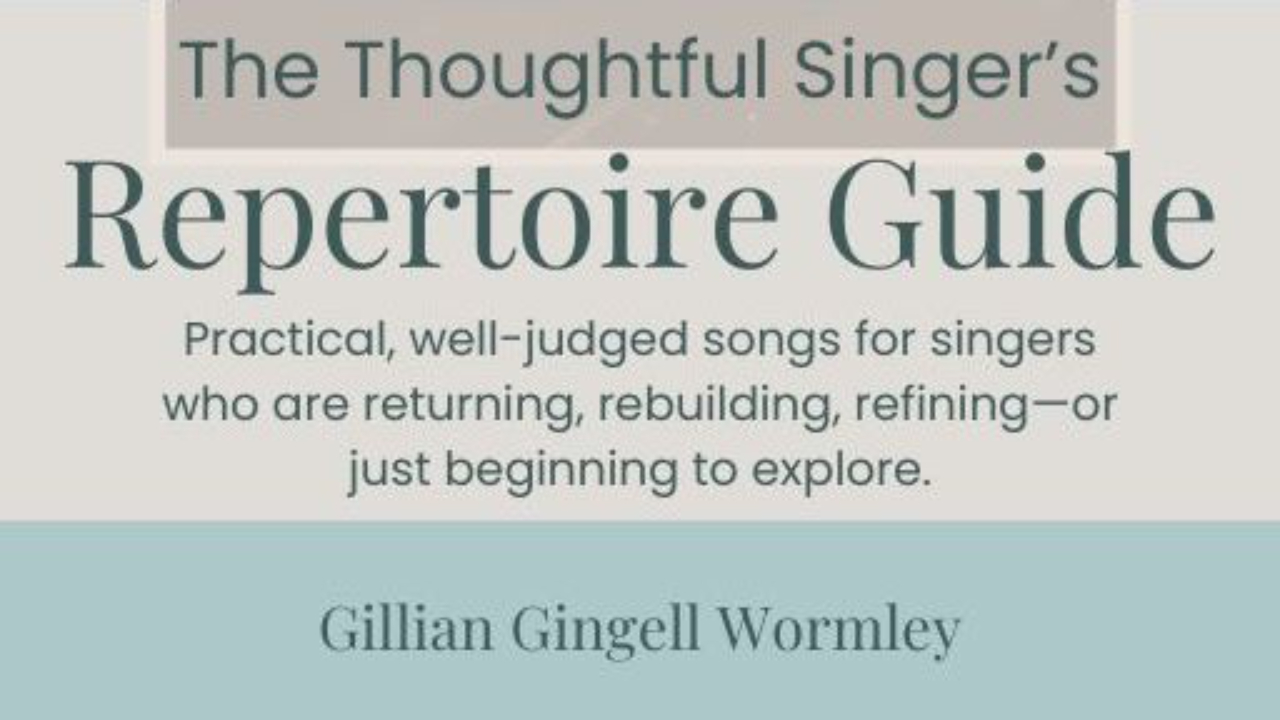
If you are an adult classical singer looking for repertoire that truly fits, whether you are returning after a break, actively studying, or simply wanting fresh ideas that make sense for your voice now, The Thoughtful Singer’s Repertoire Guide was created with you in mind.
Whether you’re coming back after a break, experimenting with your voice, or just looking to feel more connected to the music you sing,this guide provides a gentle and structured way to choose songs you can enjoy now, without strain or overwhelm. It’s not focused on mastering the most challenging arias or completing extensive repertoire; instead, it emphasises making thoughtful choices, progressing gradually, and enjoying what is attainable at the moment.
Why choosing the right repertoire matters
Repertoire isn't just repertoire. It’s a mirror for your vocal identity and a quiet guide to your technique, your stamina, even your artistic confidence. But too often, adult singers reach too quickly for pieces that are e...
Breathing for singers: the ins and outs of it.

One of my teachers, Ilse Wolf, would always talk about ‘singing on the breath’.
Back then, I really didn’t have a clue what she actually meant. I would quietly listen while she explained, while she showed me diagrams in books that had pretty much been worn out by her fingertips over the years, as she pointed out the movement of AIRFLOW in the body as we breathe in and sing OUT.
But that was more than 30 years ago - and now I so GET everything she was sharing with me.
She meant: focus on the out-breath.
I didn’t understand then, but I’ve pursued my learning journey to the point where I now teach the same principles, just as she did then, to all my own singing students.
This infographic is a favourite of mine because it provokes thought. It also gives a hint of what is truly involved in the rather paradoxical ‘breathing mindset’.
But, in truth? It’s the tip of the iceberg.

There’s the fear that since breath is always escaping, it needs to be controlled by
- getting masses...

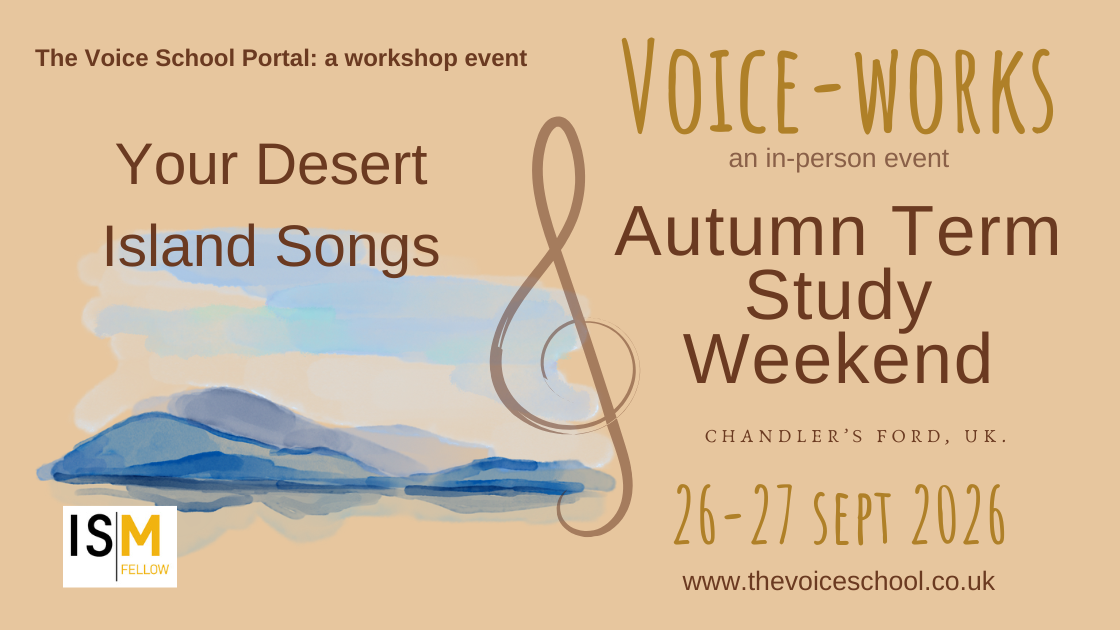
Your Desert Island Songs
26–27 September 2026 · Chandler’s Ford, Hampshire. Explore the songs that become part of who we are as singers, in the company of other curious classical singers.
Singer applications have now closed. Observer places are available.
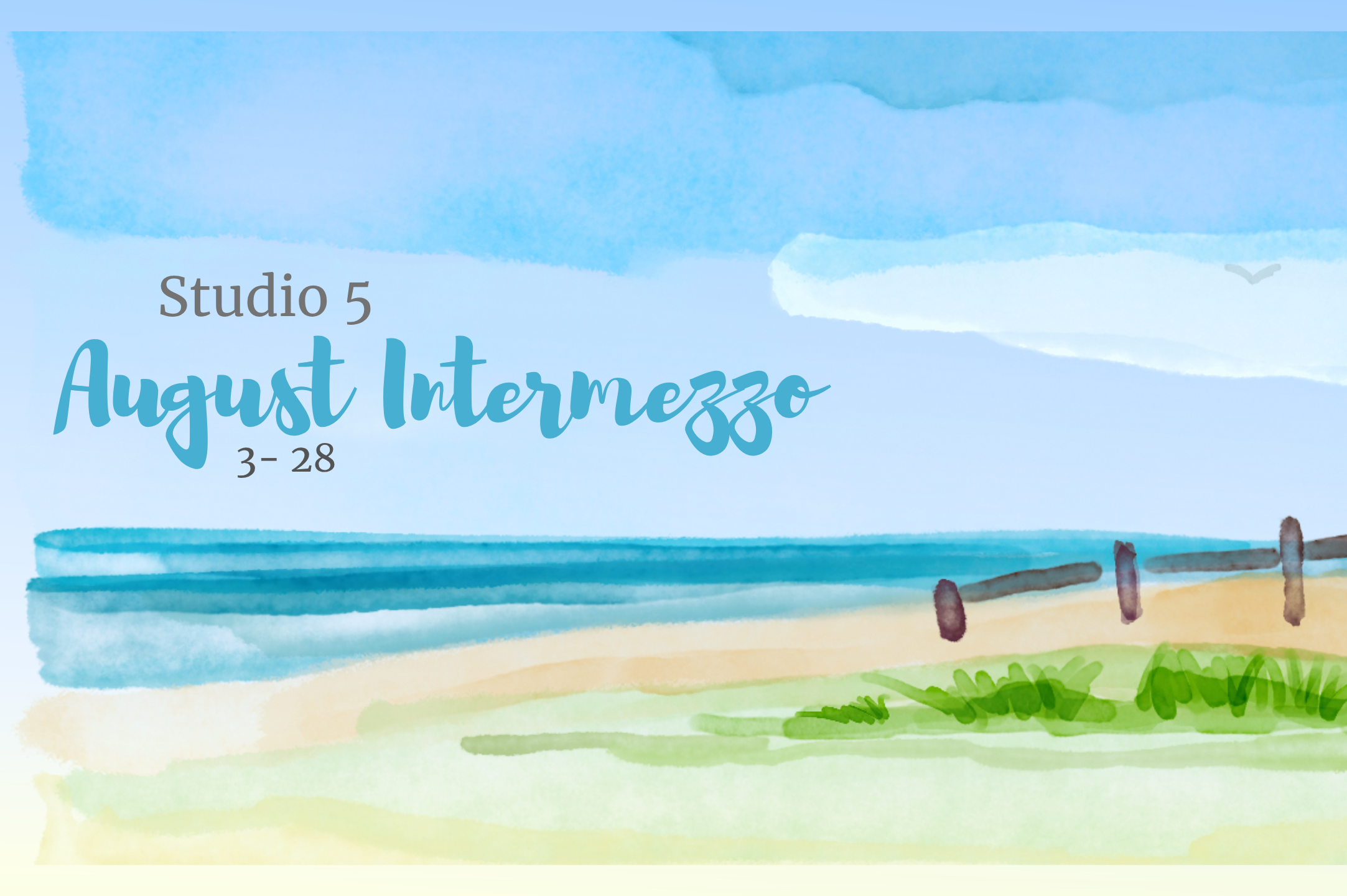
New! August Intermezzo
A short interval or pause between larger events.
Running from 3–28 August, this is a new kind of Studio 5 space for the holiday weeks between terms - an online Intermezzo where you can stay connected to your singing in a simple, practical, and flexible way, even if life is busy or if you’re away.
Alongside weekly material, I’ll set aside time each week for an open, informal Intermezzo chat — you can drop in to ask questions, share ideas. If you can’t make a live chat, you’ll still be able to send thoughts and questions into the group space for me to respond to during the week.
This August Intermezzo is the first of a new Studio 5 idea that will continue to appear during the spaces between terms across the academic year.
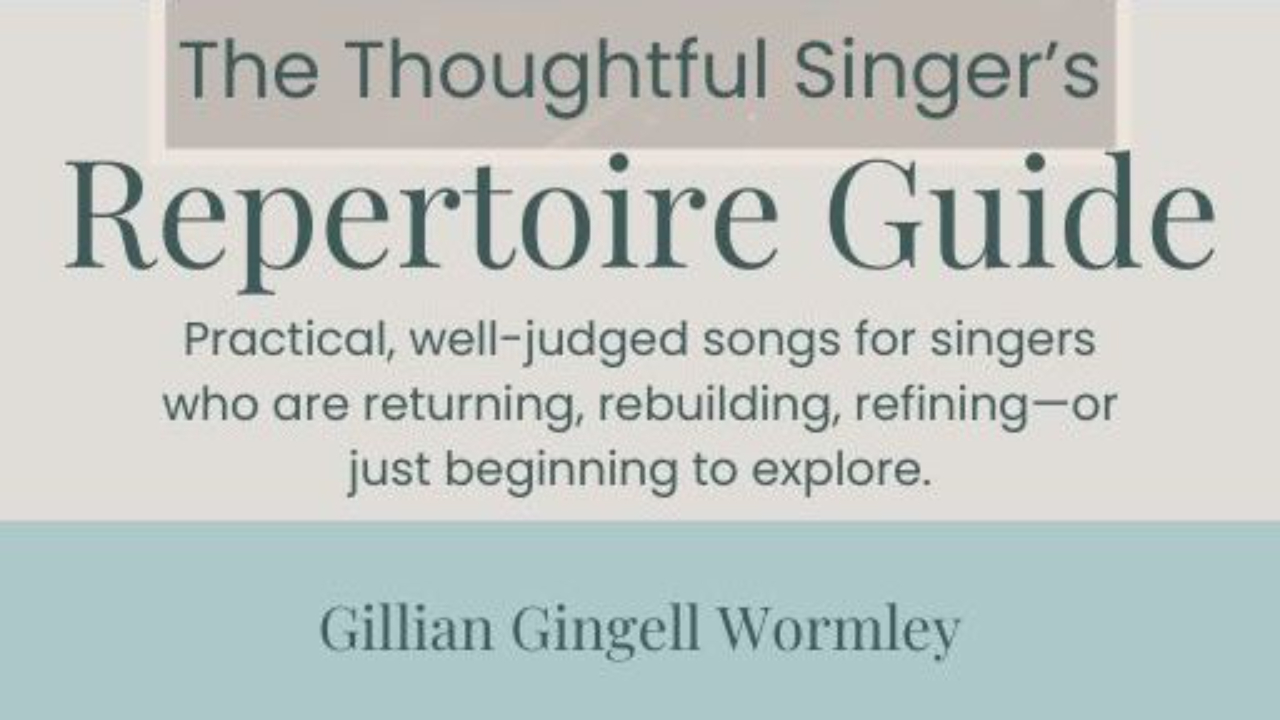
Repertoire that meets you where you are.
A curated, confidence-building guide for returning, rebuilding, or refining classical singers. Includes expert commentary, a clickable playlist, and clarity on how to choose songs that truly fit. Instant download.
The Classical Singer's Path
A new Substack series, written from the inside out - glimpses into my own life as a classical singer, and the way I think about the art we share. It is quieter than the bustle of The Voice School, a place for reflection, stories, and ideas that might travel with you into your own singing life.. It’s free to subscribe, and early support means a lot as I get it going. You’re warmly invited to join me there.

Featured in Feedspot
Ranked #29 in their Top 60 Singing Blogs — a lovely recognition of our reflective approach to singing.
Stay connected with new events and all updates!

Singing Basics Guide
Getting to grips with or making improvements to your singing and the methods to achieve progress are all far easier and more accessible than you think.
