
Why your singing voice feels inconsistent.

Why does your singing voice feel inconsistent from one day to the next, and why does it sometimes seem as though nothing is improving?
This is one of the most common questions singers ask, and it often leads to the assumption that something is missing or that a breakthrough is just out of reach. That with the right exercise, the right explanation, or the right moment of understanding, things will finally begin to work properly.
The honest answer is that singing rarely develops like that. It is not built on sudden beginnings or decisive turning points, but on patterns of use over time. What makes the difference is not a single moment of insight, but how regularly the voice is brought into action and how consistently the fundamentals are revisited. It is less a matter of beginning, and more a matter of stepping through into a different kind of experience, where the work is already underway and simply needs to be continued.
The voice responds to use, not intention
The voice is a physi...
Mozart: exacting, rewarding, and full of wit.

Why Mozart’s music demands your attention
In Mozart’s Vienna, wit meant more than humour. It was a sign of mental agility, the ability to turn an idea with elegance, to surprise with precision, to reveal something human through restraint. Mozart carried that quality everywhere: in the sparkle of his comic operas, in the stillness of his sacred music, and in the subtle craftsmanship of every phrase. He was playful, yes, but never without purpose — and that spirit is at the heart of Sing Joyfully 2025 in Chandler’s Ford, Hampshire, UK.

The joy and challenge of singing Mozart
That playfulness can mask just how exacting his writing is. In Prenderò quel brunettino, the duet for Fiordiligi and Dorabella in Così fan tutte, the singers must match tone, timing, articulation, and breath as if they were one voice, while also staying true to their characters, who are complete opposites. Fiordiligi is upright, idealistic and careful; Dorabella is impulsive, easily swayed, and mischievous. In p...
A Mentoring Space for Adult Classical Singers: inside Virtually Vocalise

There comes a point in every adult classical singer’s development where more lessons, more advice, or more isolated practice just isn’t enough. You know there’s more to your voice, more to your artistry, but the path forward isn’t always clear.
What you’re looking for now is structure, reflection, continuity, and the kind of thoughtful, experienced support that helps you take responsibility for your own vocal development with simplicity and purpose.
That’s what online mentorship can offer. And it’s exactly what I provide in Virtually Vocalise: a responsive, artist-led mentoring space for adult classical singers, built on reflection, connection, and a shared love of the repertoire. It’s not a programme. It’s a musical home for those who want to grow with purpose, alongside like-minded others.
A Framework That Supports Real Learning
Virtually Vocalise was founded in 2017. It was for singers who were already on their way; those who had built some technical foundations, who had perform...
Learning to sing without the pressure: why observation is so valuable
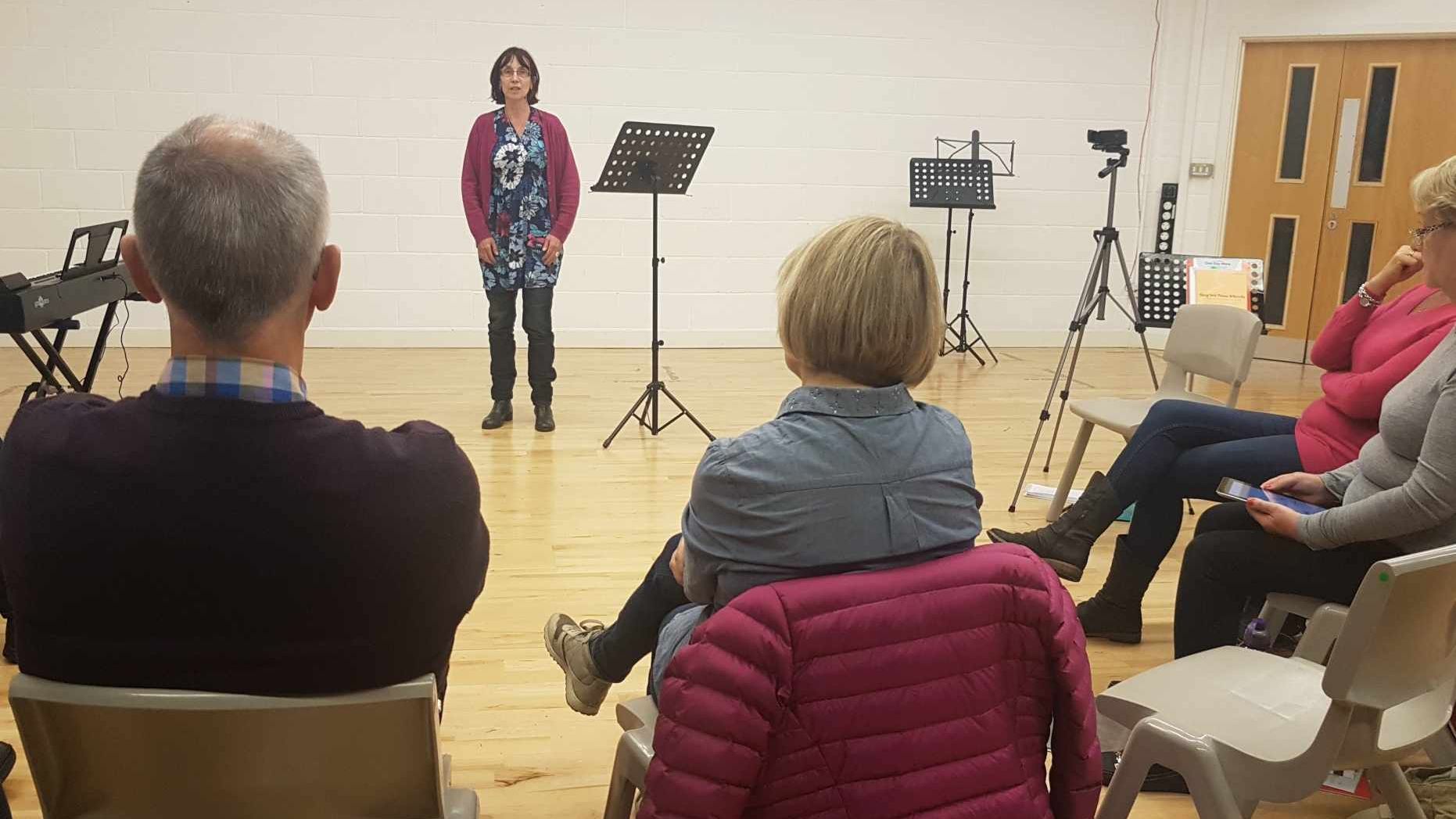
The inspiration of observation in singing
There’s a moment when we feel pulled back towards something we love, where the thought of moving forward seems just a touch daunting. Whether it’s singing, painting, or even revisiting an old hobby after many years, the idea of jumping straight in can be intimidating. Yet, in those moments of hesitation, there’s a valuable tool that often goes unnoticed: observation.
Learning without the pressure of performing
Observing vocal classes isn’t simply about watching others at work. It’s a process of deep learning, offering a chance to step into the experience without the immediate pressure of performing. For those returning to singing after a break, or even for those who have been refining their technique for years, there is something profound about witnessing another singer's journey in real-time. We listen differently, we notice more, and—most importantly—we allow ourselves the space to absorb without expectation.
Why watching others sing help...
Love Your Voice 2025 for Classical Singers: application deadline approaches ...
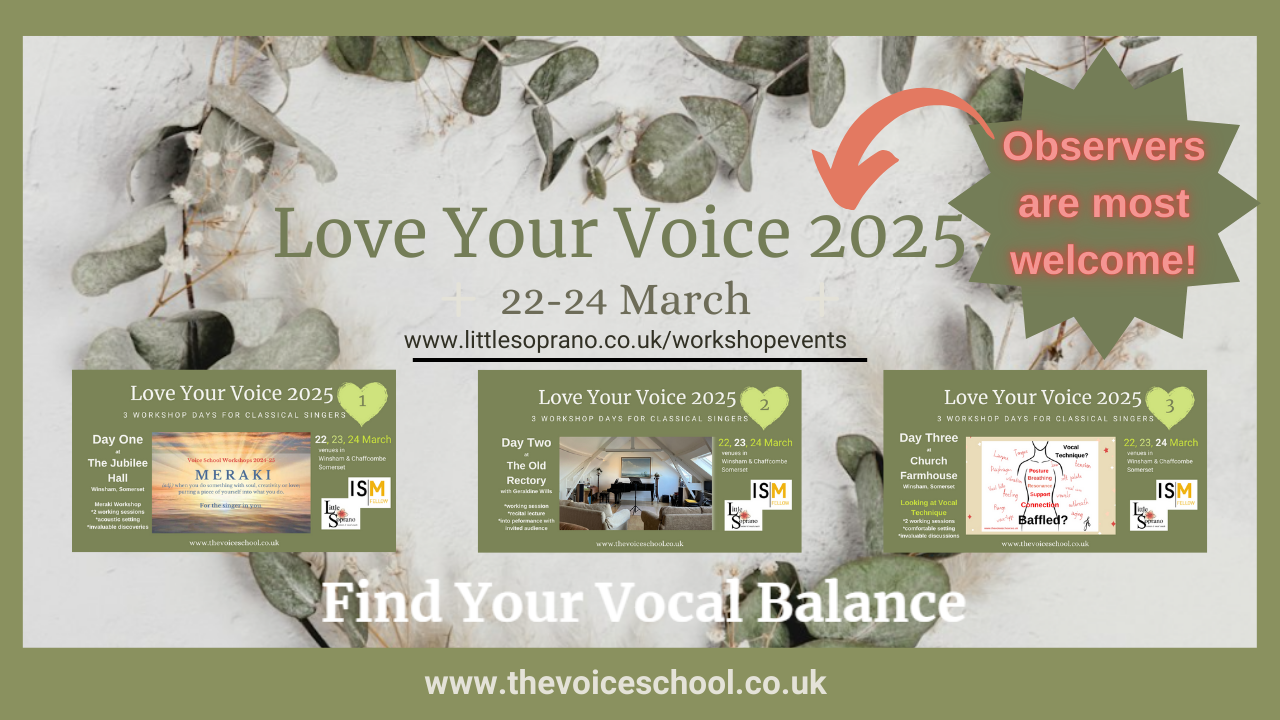
Applications for Love Your Voice 2025 Close Saturday 1st February
What better time than now, as the year unfolds, to invest in yourself as a singer? Whether you’re an experienced soloist or someone rekindling a long-held passion, Love Your Voice 2025 offers a space to nurture your technique, spark your creativity, and connect with other singers who truly “get it.”
Love Your Voice is all about learning by doing. It’s about stepping into the room, being heard, and embracing the process of exploration. Over three immersive workshop days in March, we’ll dive into the heart of what it means to be a solo classical singer—not just technically, but emotionally and creatively. These sessions are designed to provide practical tools for real growth, paired with the joy and camaraderie that come from working alongside a small group of like-minded singers.
Here’s what you can expect from each day:
-
Day One: Embracing Creativity and Performance
...
We’ll set the tone for the weekend with a Meraki
Voice-Works Spring Study Weekend for Classical Singers

Prepare to Find Your Voice: Voice-works Spring Study Weekend 2025
Dates: January 25–26, 2025
Location: The Jubilee Hall, Winsham, Somerset, UK.
The Spring Study Weekend is your chance to explore repertoire spanning opera, oratorio, and song from 1600–1850 in an inspiring and supportive setting. Whether you’re a seasoned soloist or rediscovering your voice, this event is crafted to help you refine your skills and deepen your curiosity and understanding of classical vocal performance.
What to Expect Over the Weekend
This immersive two-day event will combine individual coaching, group sessions, and opportunities for discussion and collaboration. The focus is on developing your technical foundation, interpretive insight, and confidence as a singer.

You'll bring three prepared pieces that span the genres of opera, oratorio, and song, allowing for a rich and varied exploration of style and technique. Don’t worry about polished perfection – the emphasis is on secure preparation and a wi...
What makes you classical singer? Do you have stickability?
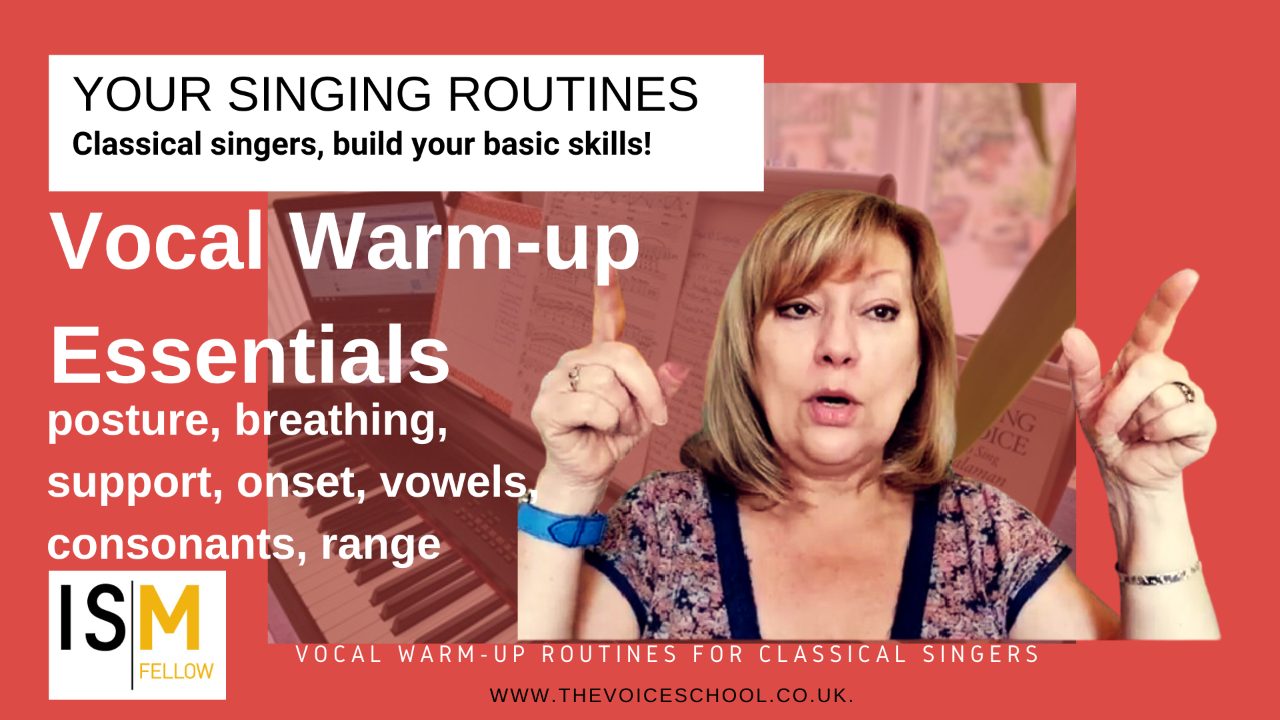
As a professional classical singer, I write about vocal technique a lot. Of course, I would, as I am also a voice teacher. I've come to where I am now through a very natural journey of my own - study, performance, more study, woven doggedly around my other life happenings.
Always a personal quest (no one was pushing me) - I have felt drawn along, pulled happily by my simple love of communicating through the physicality and marriage of words and music - and the need to do it better. It's an infectious love, that I have for many years sought to share with other like-minded souls, who have their own quest and who are curious too.
Where do you start?
As a professional musician with a lifetime of technical vocal learning behind me and a trusty ongoing pursuit of future perfection in front of me, I regularly invest in telling my students to be at ease with where they are on their vocal journey. At ease, but not too comfy. To forgive their vocal imperfections BUT also be inquisitive, and...
Sunday Musings (in pursuit of classical singing)
From the Little Soprano archive.
Originally written one Sunday morning, almost ten years ago, the comment it makes is still as pertinent as ever, especially for new or beginner singers, or those who have a penchant to return to classical singing.
August 2014
I read the quote below earlier this morning and paused to think on it a while.
I love to sing - everyone knows that - but I also love to write, and that love goes way, way back to before I ever sang a note. It was, I think my love of words that lit that first little singing flame. A beautiful marriage between verse and music. I was clearly thinking about singing at quite an early age ...

I’m not fearful of my singing path; I’ve pursued my craft tenaciously, very conscious of the journey and the absolute need to improve, spurred on by the excitement of improving ability and the lure of achieving my goal. But writing is something else - ultimately far more private. I’m more fearful of failure when I write.
Yet my love of word...
How do you learn classical singing?

Where do you start, learning how to sing classically?
You've got to want to do it - be excited and curious enough to get on board.
The vocal journey has a very human beginning and it is good to remember that. At the heart of all we do as singers, is the joy of making music and the release of self-expression. Sharing with others is vital to the learning experience, because it provides a solid base for exchange, observation and mutual support.
Also, there is no quick fix - no singing teacher worth their salt has a magic wand. You - the singer in you - has to be bitten by the I-want-to-sing-classical-song bug for the duration and be lit up by it over and over again.

I remember years ago, watching a television advert, where an old lady taps a police officer on the shoulder in the street and asks,
“How do I get to Carnegie Hall?”
The officer answers with a wry smile, “Lady, you gotta practice!”
And he was right. Like anything else, you have to want to do it enough and put your...
Singers: How should we practice?
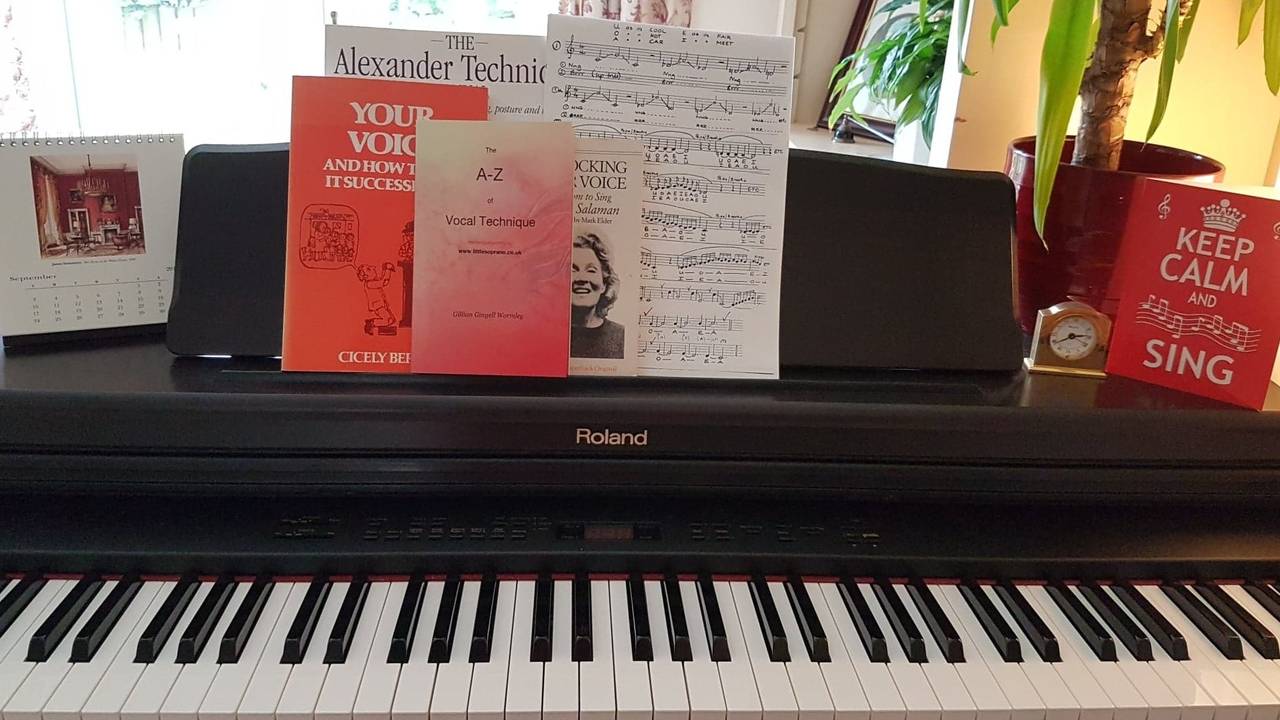
In other words: practice certainly, but focus. So, just how should you practice singing?
Let me first tell you about this. It's worth thinking about, especially when it comes to muscle memory. Some years ago, I came across an excellent post in a roundabout way as you do, pulled in by its title:
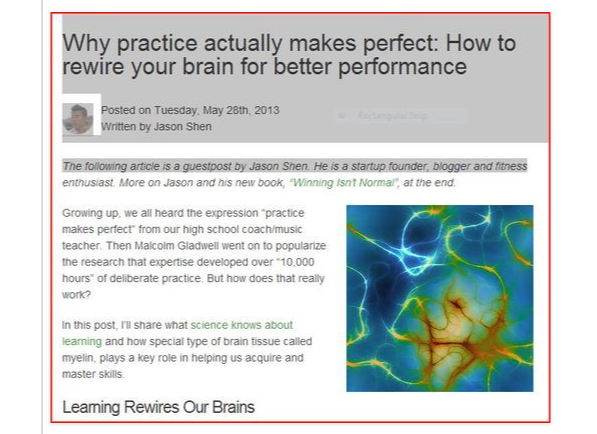
You can see why can’t you? Learning rewires our brains. I was thinking of singing/performance. So I clicked the link to have a good read. (Tip - It's still a good read, even now.)
Funny how these things can pull together fragments of your life, personal and professional. I started thinking about my little daughter, Alice and the problems she had had with Leukodystrophy. But that's another story.
Soon I was deeply engrossed in fully understanding the important role myelination plays in our gradual acquisition of skills, thanks to Jason Shen’s clear explanations and diagrams.
But then, another pathway of understanding opened.
As a vocal teacher, I always advocate embracing new learn
...
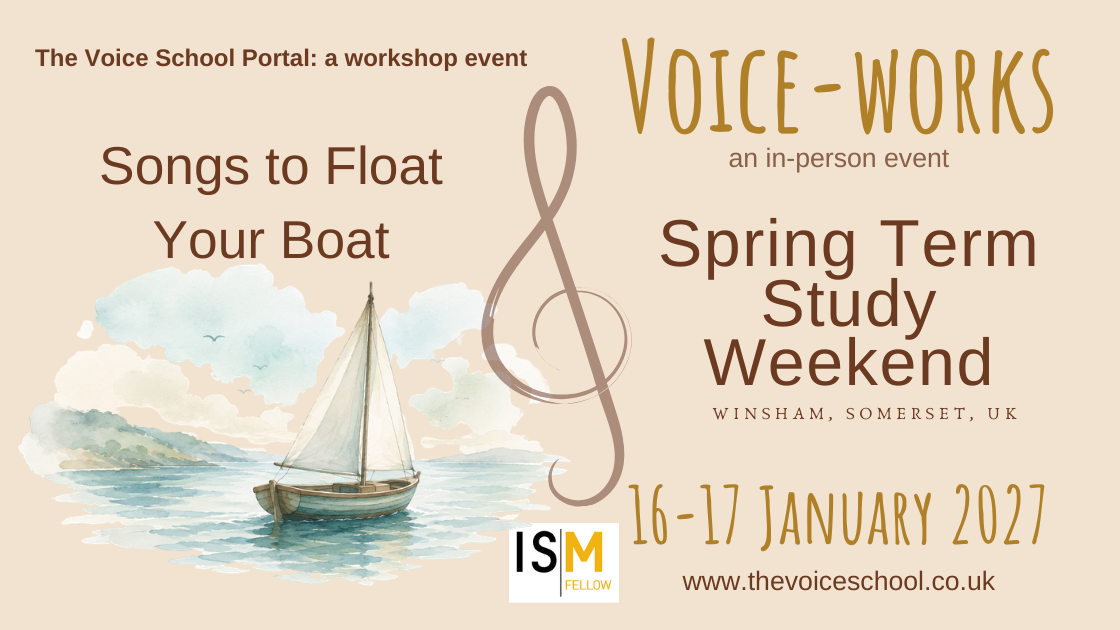
Your Desert Island Songs
16–17 January 2027 · Winsham, Somerset.
Revisit the songs in your repertoire and explore what continues to inspire, challenge and reward you, in the company of other curious classical singers.
Applications to sing are now open. Observer places are also available.

New! August Intermezzo
A short interval or pause between larger events.
Following the success of the August Intermezzo, the next Studio 5 Intermezzo will have a festive flavour. Running through the first three weeks of December, it will offer a flexible way to stay connected to your singing as the autumn term draws to a close and Christmas approaches.
The Festive Intermezzo is now being prepared, with full details coming soon.
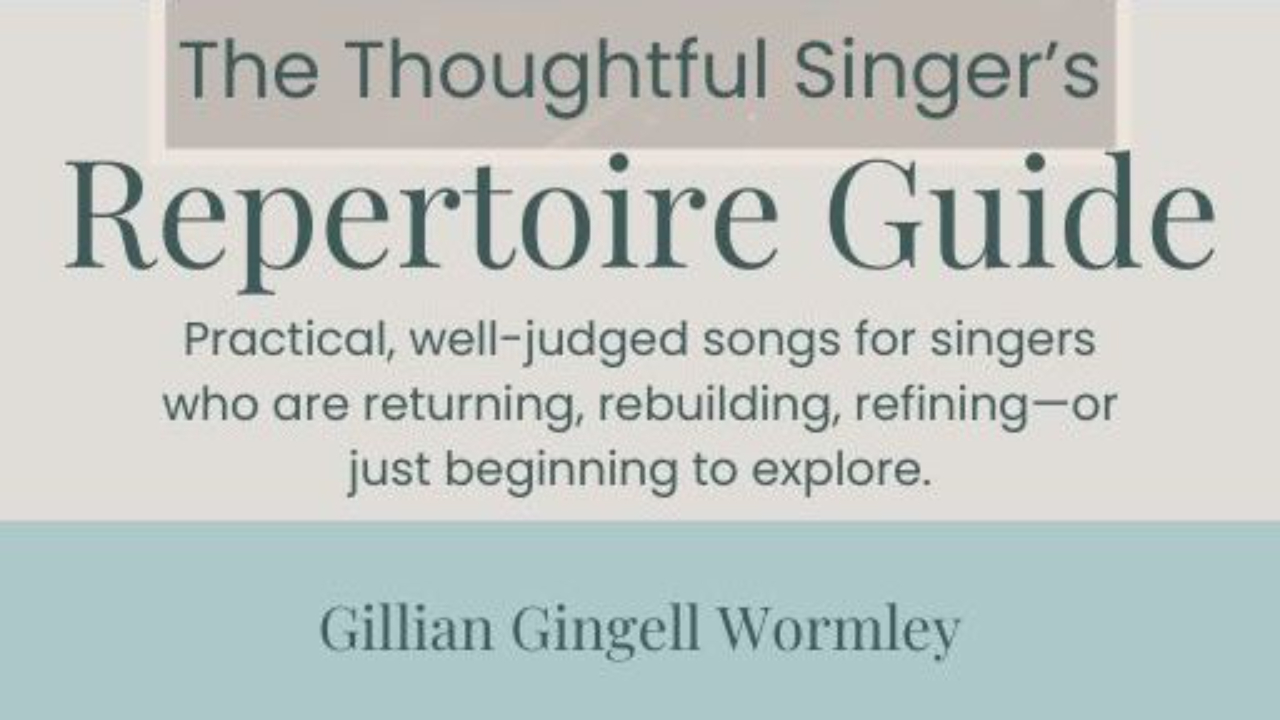
Repertoire that meets you where you are.
A curated, confidence-building guide for returning, rebuilding, or refining classical singers. Includes expert commentary, a clickable playlist, and clarity on how to choose songs that truly fit. Instant download.
The Classical Singer's Path
A new Substack series, written from the inside out - glimpses into my own life as a classical singer, and the way I think about the art we share. It is quieter than the bustle of The Voice School, a place for reflection, stories, and ideas that might travel with you into your own singing life.. It’s free to subscribe, and early support means a lot as I get it going. You’re warmly invited to join me there.

Featured in Feedspot
Ranked #29 in their Top 60 Singing Blogs — a lovely recognition of our reflective approach to singing.
Stay connected with new events and all updates!

Singing Basics Guide
Getting to grips with or making improvements to your singing and the methods to achieve progress are all far easier and more accessible than you think.
