
Learning to sing without the pressure: why observation is so valuable
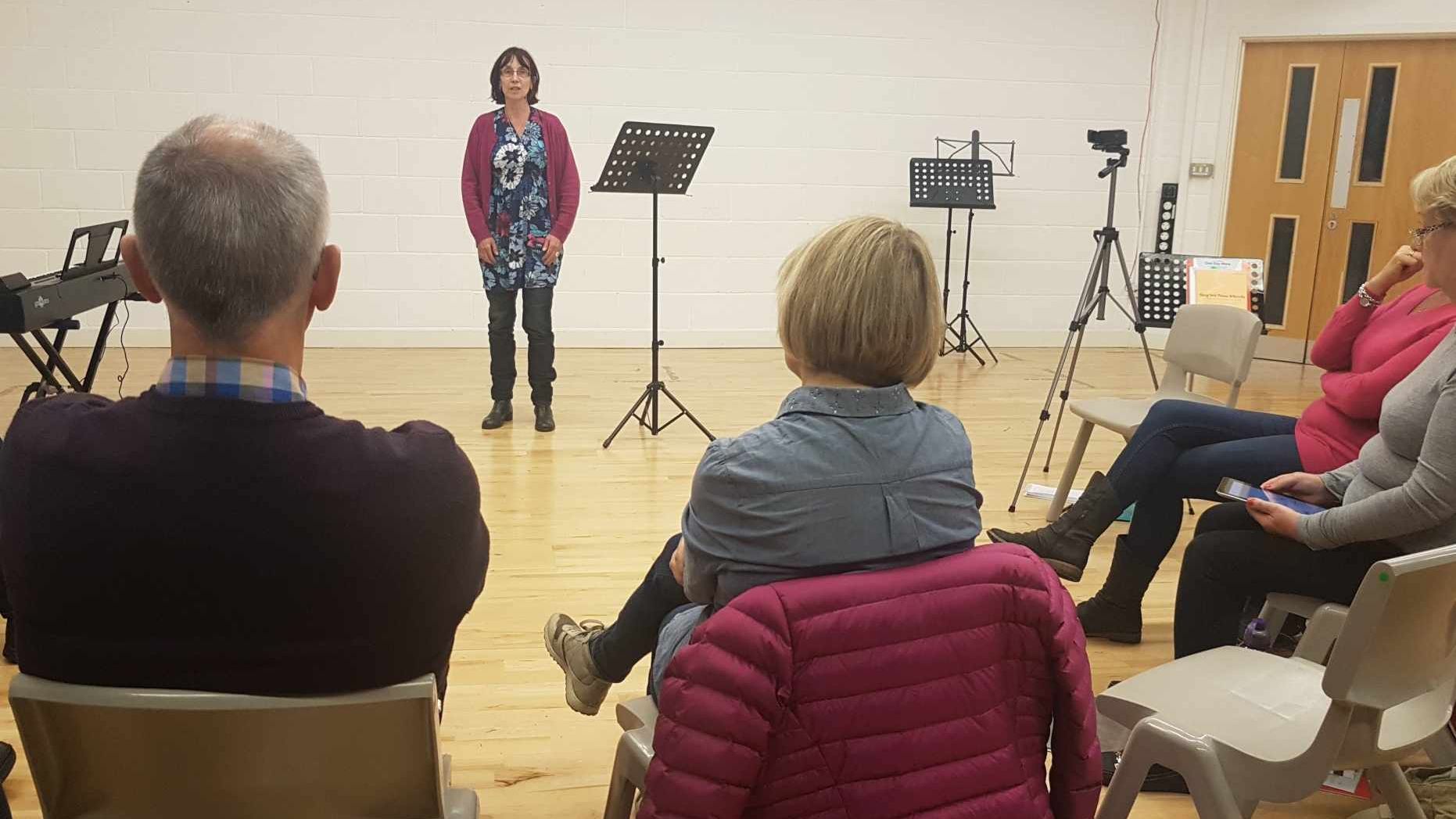
The inspiration of observation in singing
There’s a moment when we feel pulled back towards something we love, where the thought of moving forward seems just a touch daunting. Whether it’s singing, painting, or even revisiting an old hobby after many years, the idea of jumping straight in can be intimidating. Yet, in those moments of hesitation, there’s a valuable tool that often goes unnoticed: observation.
Learning without the pressure of performing
Observing vocal classes isn’t simply about watching others at work. It’s a process of deep learning, offering a chance to step into the experience without the immediate pressure of performing. For those returning to singing after a break, or even for those who have been refining their technique for years, there is something profound about witnessing another singer's journey in real-time. We listen differently, we notice more, and—most importantly—we allow ourselves the space to absorb without expectation.
Why watching others sing help...
Singing Tips for Beginners

Is singing a natural talent OR a learnt skill?
We all have a speaking voice and use our vocal folds/cords every single day, so you’re actually already familiar with how powering your voice feels. Learning to use your singing voice is just an extension of that same vocal process, using the same equipment. But with a certain set of learned basic skills. Ease your way in with one of my takeaways, a free PDF companion guide to this article: Need Help with Singing Basics.
Q: Can you teach yourself to sing or is it natural?
An education professor once said: “ Singing is more of a learnt skill than a talent.”
Singing does not lend itself well to self-teaching. Don’t make the mistake of thinking that you don’t need guidance when you’re learning. Another pair of ears to listen to you sing and watch how you’re achieving the sounds you make is not only important but vital. Many factors govern why you have the voice that you were born with (unique to you!) and a singing teacher’s job is to let...

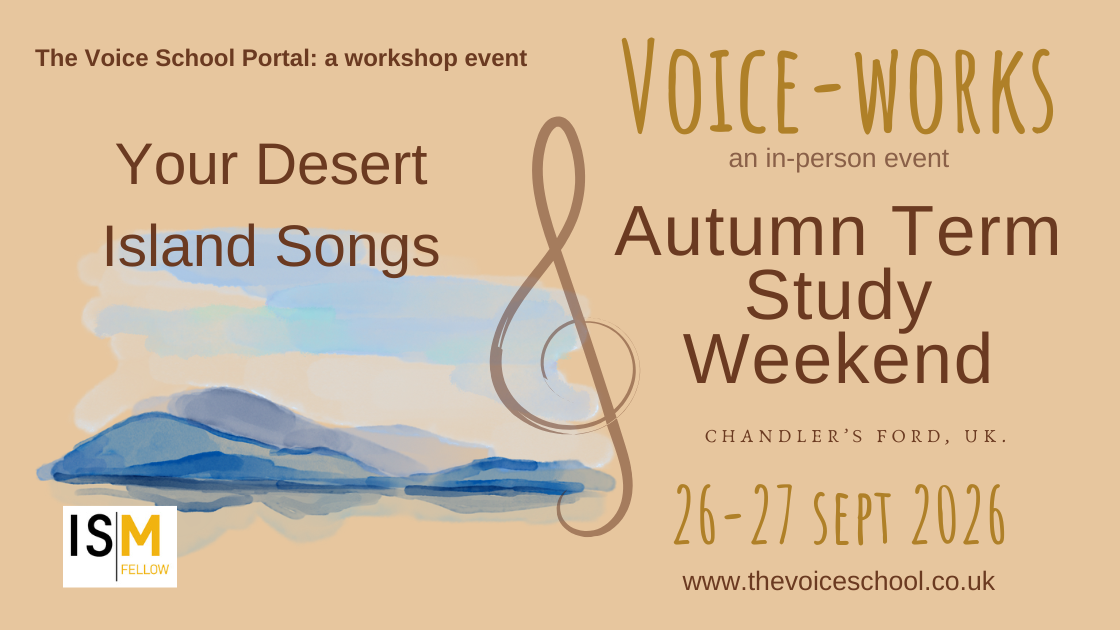
Your Desert Island Songs
26–27 September 2026 · Chandler’s Ford, Hampshire. Explore the songs that become part of who we are as singers, in the company of other curious classical singers.
Singer applications have now closed. Observer places are available.
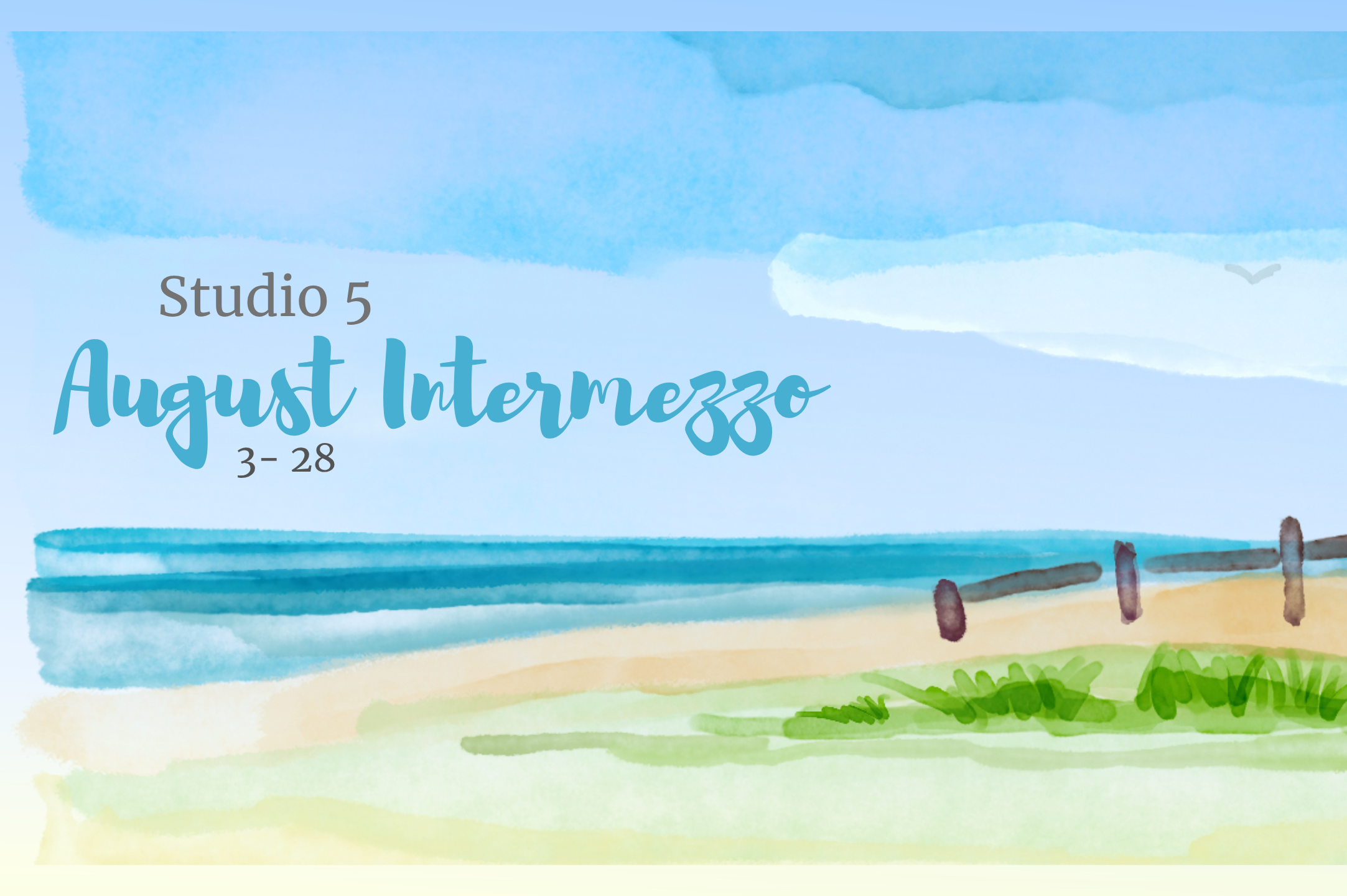
New! August Intermezzo
A short interval or pause between larger events.
Running from 3–28 August, this is a new kind of Studio 5 space for the holiday weeks between terms - an online Intermezzo where you can stay connected to your singing in a simple, practical, and flexible way, even if life is busy or if you’re away.
Alongside weekly material, I’ll set aside time each week for an open, informal Intermezzo chat — you can drop in to ask questions, share ideas. If you can’t make a live chat, you’ll still be able to send thoughts and questions into the group space for me to respond to during the week.
This August Intermezzo is the first of a new Studio 5 idea that will continue to appear during the spaces between terms across the academic year.
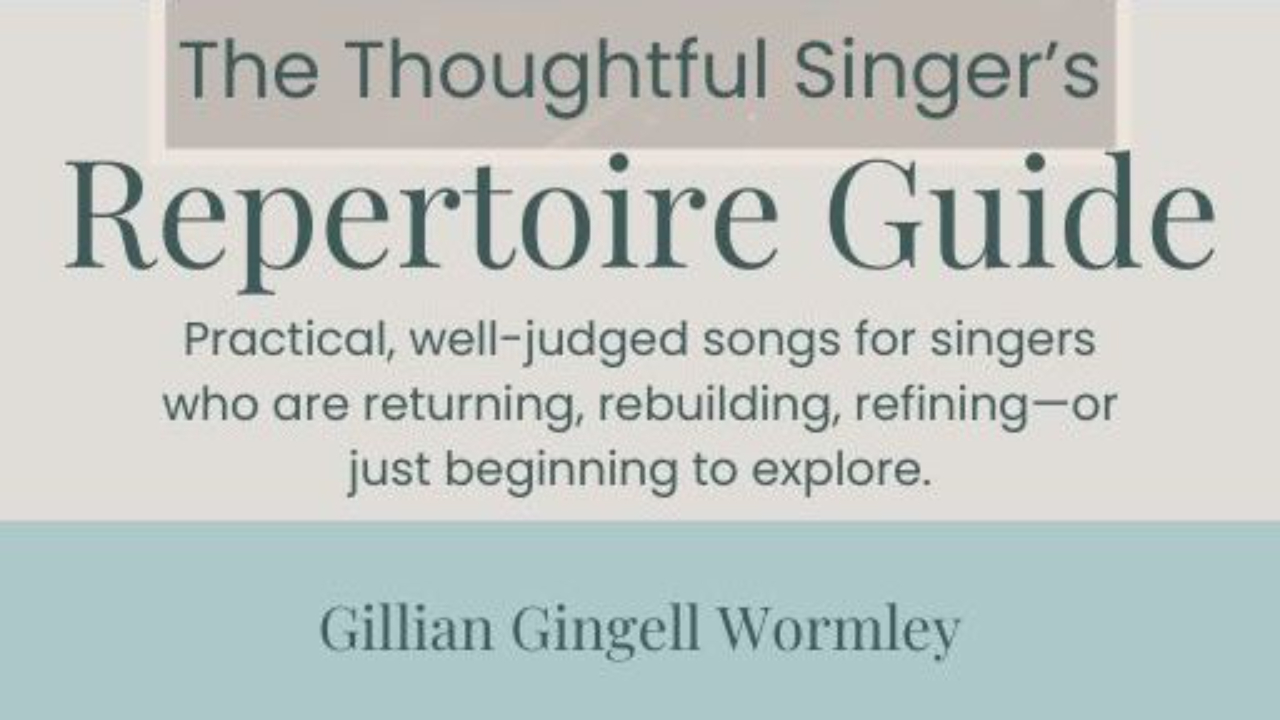
Repertoire that meets you where you are.
A curated, confidence-building guide for returning, rebuilding, or refining classical singers. Includes expert commentary, a clickable playlist, and clarity on how to choose songs that truly fit. Instant download.
The Classical Singer's Path
A new Substack series, written from the inside out - glimpses into my own life as a classical singer, and the way I think about the art we share. It is quieter than the bustle of The Voice School, a place for reflection, stories, and ideas that might travel with you into your own singing life.. It’s free to subscribe, and early support means a lot as I get it going. You’re warmly invited to join me there.

Featured in Feedspot
Ranked #29 in their Top 60 Singing Blogs — a lovely recognition of our reflective approach to singing.
Stay connected with new events and all updates!

Singing Basics Guide
Getting to grips with or making improvements to your singing and the methods to achieve progress are all far easier and more accessible than you think.
