
Build your singing from the ground up
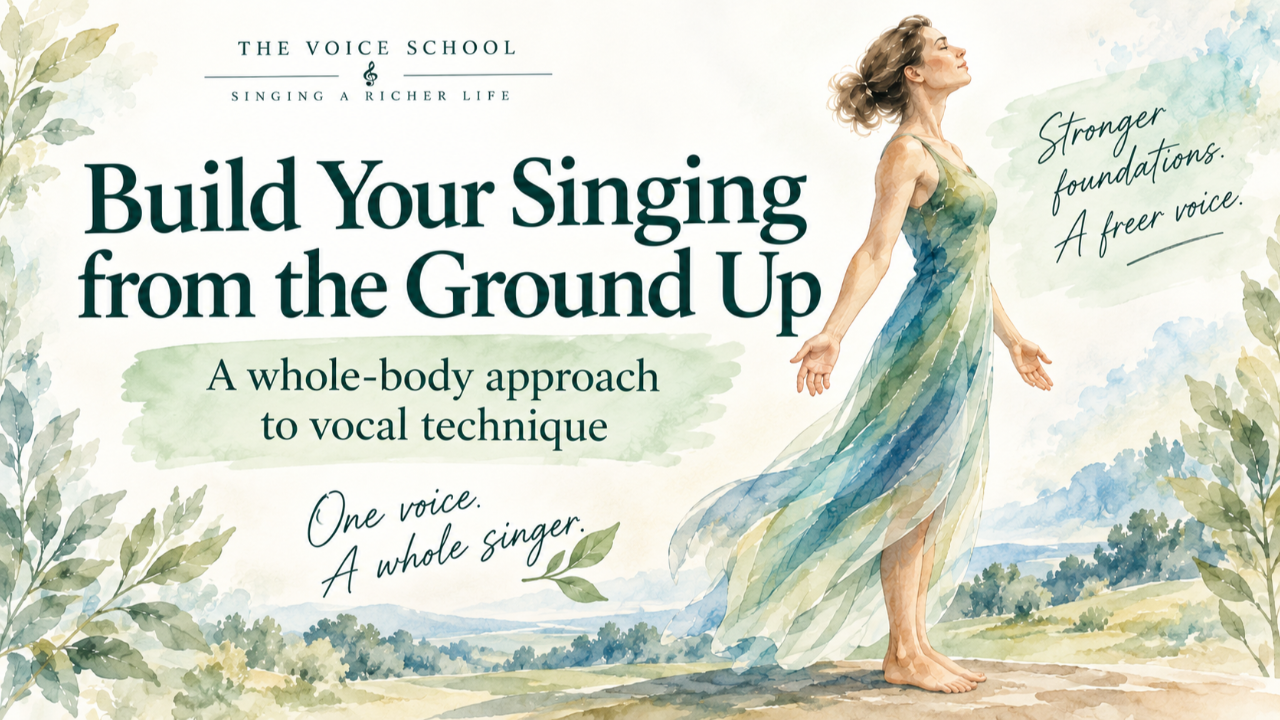
If you are thinking about singing posture, breath support, vocal technique, alignment, tension or how to sing with less effort, it is worth starting one step earlier than you might expect. Before asking how well you are breathing, where you are supporting, or what your voice is doing, ask a more fundamental question: how is your whole body organised for singing?
At the beginning of a new academic year, this seems a particularly good place to start.
Most of us return to our singing after the summer feeling a little rusty. Perhaps we haven't practised quite as regularly. Repertoire that felt secure in July needs finding again, and the voice may not respond immediately in quite the way we remember. It is very tempting at this point to start fixing things, when perhaps there is a more interesting place to begin.
The singer is the instrument
We can become very occupied with individual parts of vocal technique: the breath, the jaw, the tongue, the larynx, support, resonance. All of them ...
Passaggio? What's that got to do with my vocal range?

Singers, are you well, and keeping in fine voice? All in good working order, sounding smooth and wonderful, with no cracking, yodelling or insecurities?
And, how about your range - confident about that? Let's discuss.
Passaggio problems
Passaggio (Italian pronunciation: [pasˈsaddʒo]) is a term used in classical singing to describe the transition area between the vocal registers.
Arguably the most vexing of singer’s issues, the passaggio justifiably earns its hard-to-handle reputation. Let me familiarise you with its workings and how it can be responsible for the limiting beliefs you hold about your vocal range.

What’s it all about?
Well ... what singers must do to avoid those tell-tale wobbly-sounding gear-changing areas in the voice, is to concentrate 100% on body alignment, keeping the throat open, and correctly balancing the airflow from the lungs to the point of contact with the vocal folds, which are brought together with a HIGH degree of sensitivity and control … all...

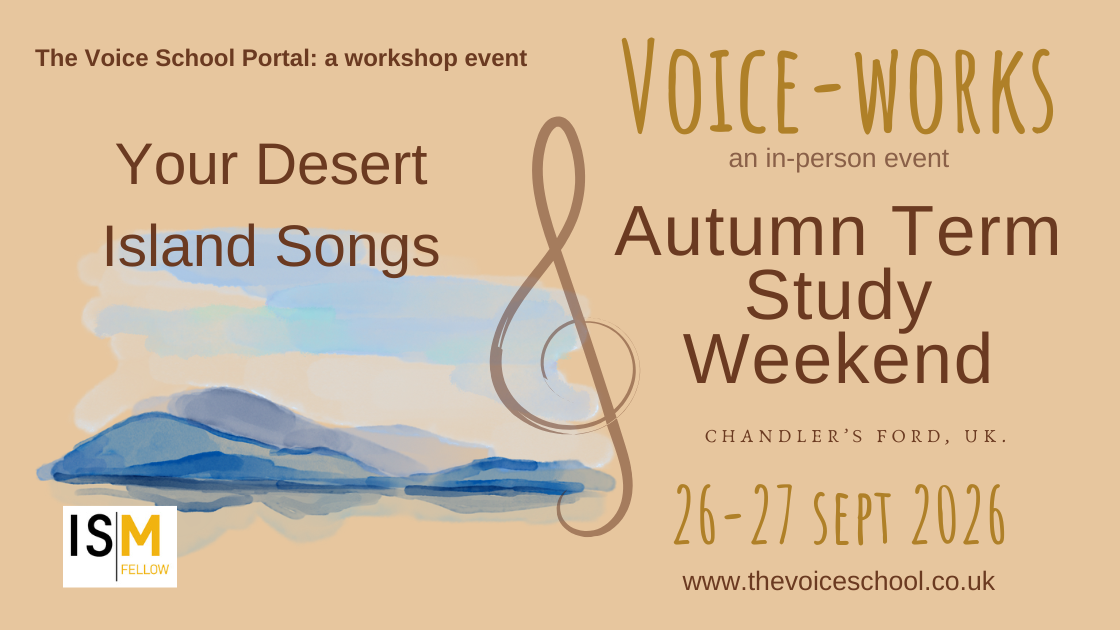
Your Desert Island Songs
26–27 September 2026 · Chandler’s Ford, Hampshire. Explore the songs that become part of who we are as singers, in the company of other curious classical singers.
Singer applications have now closed. Observer places are available.
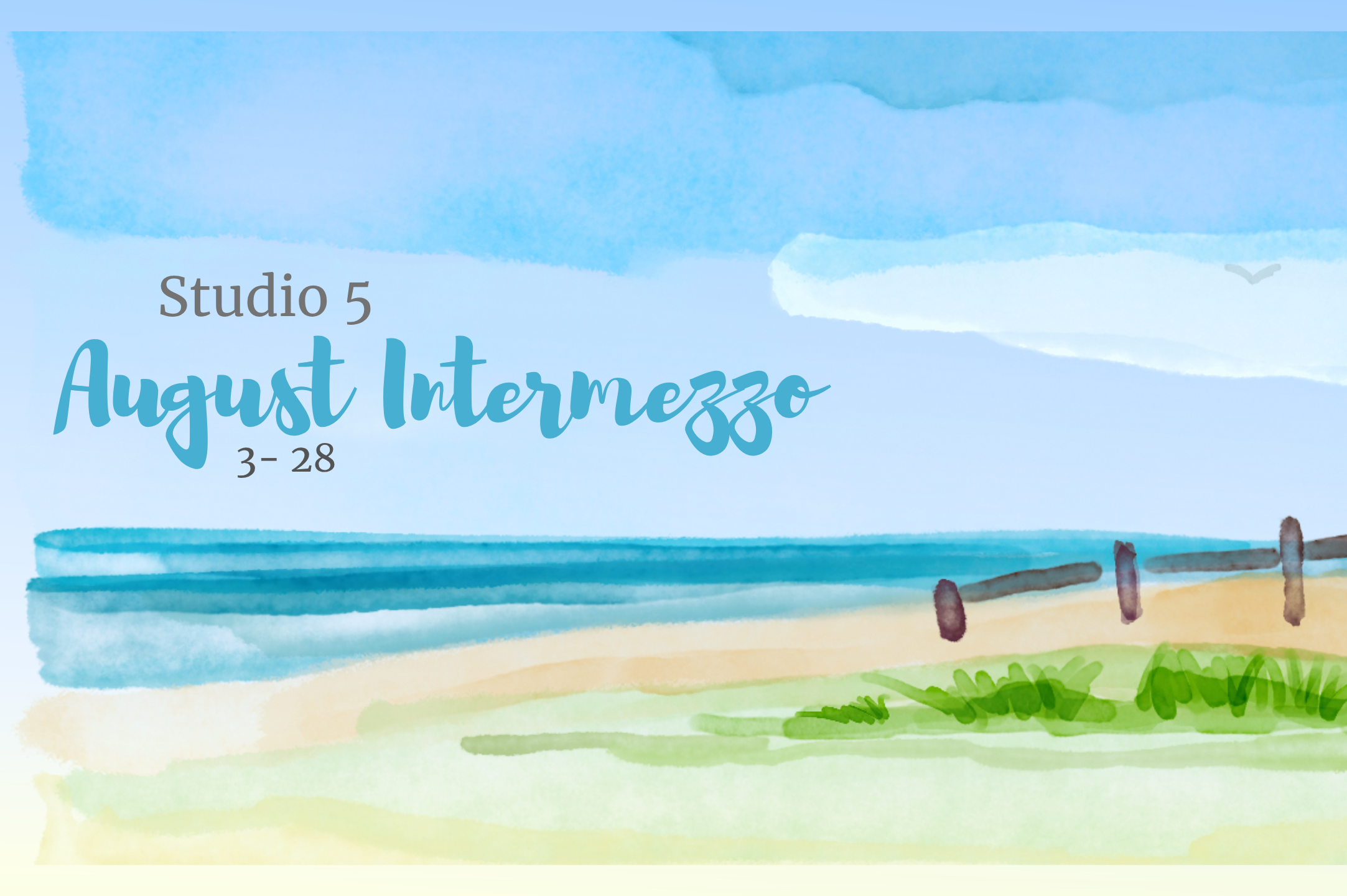
New! August Intermezzo
A short interval or pause between larger events.
Running from 3–28 August, this is a new kind of Studio 5 space for the holiday weeks between terms - an online Intermezzo where you can stay connected to your singing in a simple, practical, and flexible way, even if life is busy or if you’re away.
Alongside weekly material, I’ll set aside time each week for an open, informal Intermezzo chat — you can drop in to ask questions, share ideas. If you can’t make a live chat, you’ll still be able to send thoughts and questions into the group space for me to respond to during the week.
This August Intermezzo is the first of a new Studio 5 idea that will continue to appear during the spaces between terms across the academic year.
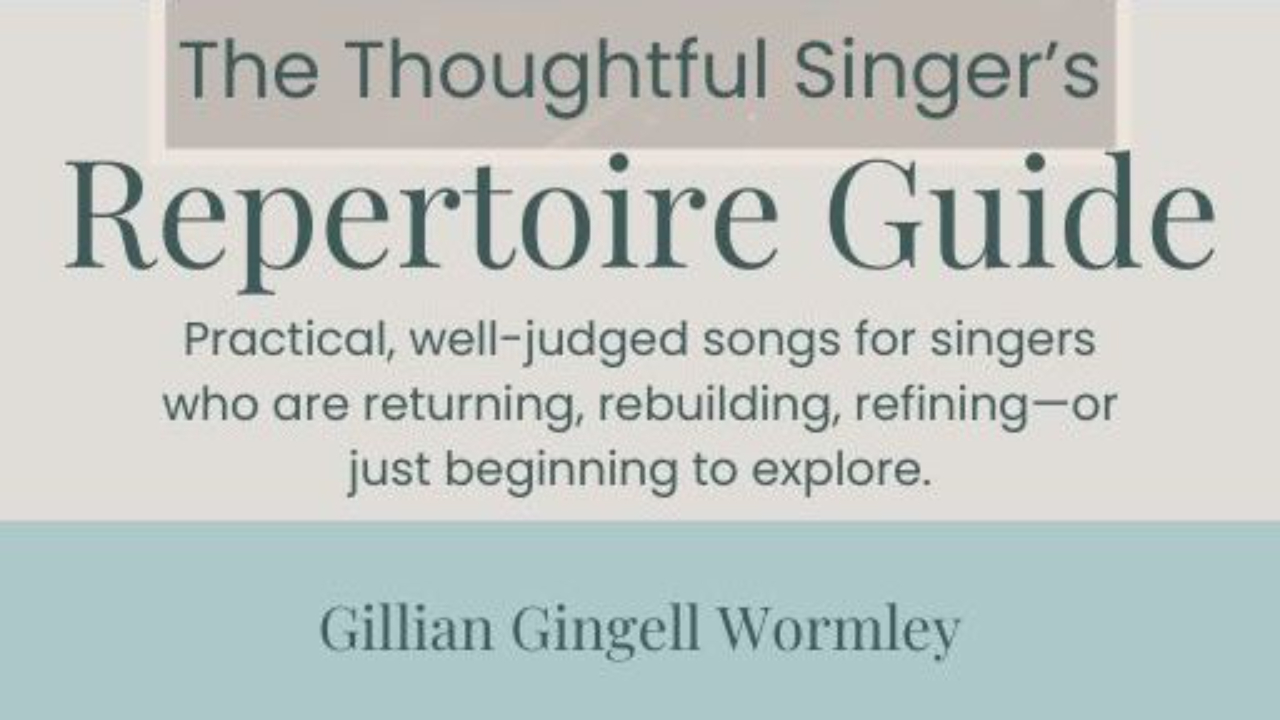
Repertoire that meets you where you are.
A curated, confidence-building guide for returning, rebuilding, or refining classical singers. Includes expert commentary, a clickable playlist, and clarity on how to choose songs that truly fit. Instant download.
The Classical Singer's Path
A new Substack series, written from the inside out - glimpses into my own life as a classical singer, and the way I think about the art we share. It is quieter than the bustle of The Voice School, a place for reflection, stories, and ideas that might travel with you into your own singing life.. It’s free to subscribe, and early support means a lot as I get it going. You’re warmly invited to join me there.

Featured in Feedspot
Ranked #29 in their Top 60 Singing Blogs — a lovely recognition of our reflective approach to singing.
Stay connected with new events and all updates!

Singing Basics Guide
Getting to grips with or making improvements to your singing and the methods to achieve progress are all far easier and more accessible than you think.
